Device Interface Designs Reshape Access to Cumulative Prizes Through Diverse Payment Channels in Mobile Slots
Interface Elements Shape Initial Player Entry Points
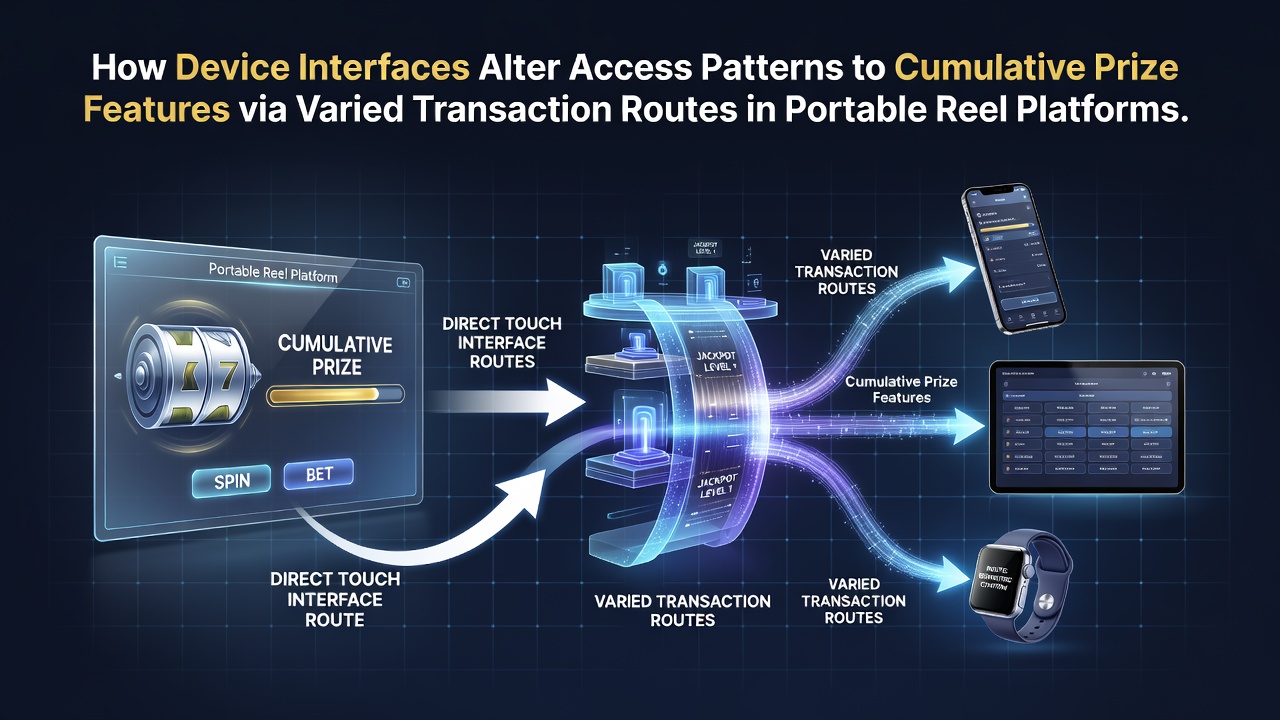
Portable reel platforms rely on touch-based navigation and gesture controls that direct users toward specific transaction routes before cumulative prize features become available, and researchers note that swipe patterns combined with one-tap deposit buttons often streamline access to progressive pools compared with traditional click-based desktop flows. Data from industry reports shows these interface choices alter the sequence in which players encounter bonus meters, since mobile layouts prioritize visible jackpot counters near payment portals while desktop versions place them deeper in menu structures.
Observers note that screen size directly influences how quickly cumulative features load after a transaction completes, because smaller displays compress multiple elements into single views and force users to scroll or tap through layered menus. Studies conducted by academic teams at European universities indicate that vertical scrolling on phones correlates with higher engagement rates for prize accumulation paths when payment options appear as horizontal swipe cards rather than static lists.
Transaction Routes Interact With Touch Gestures
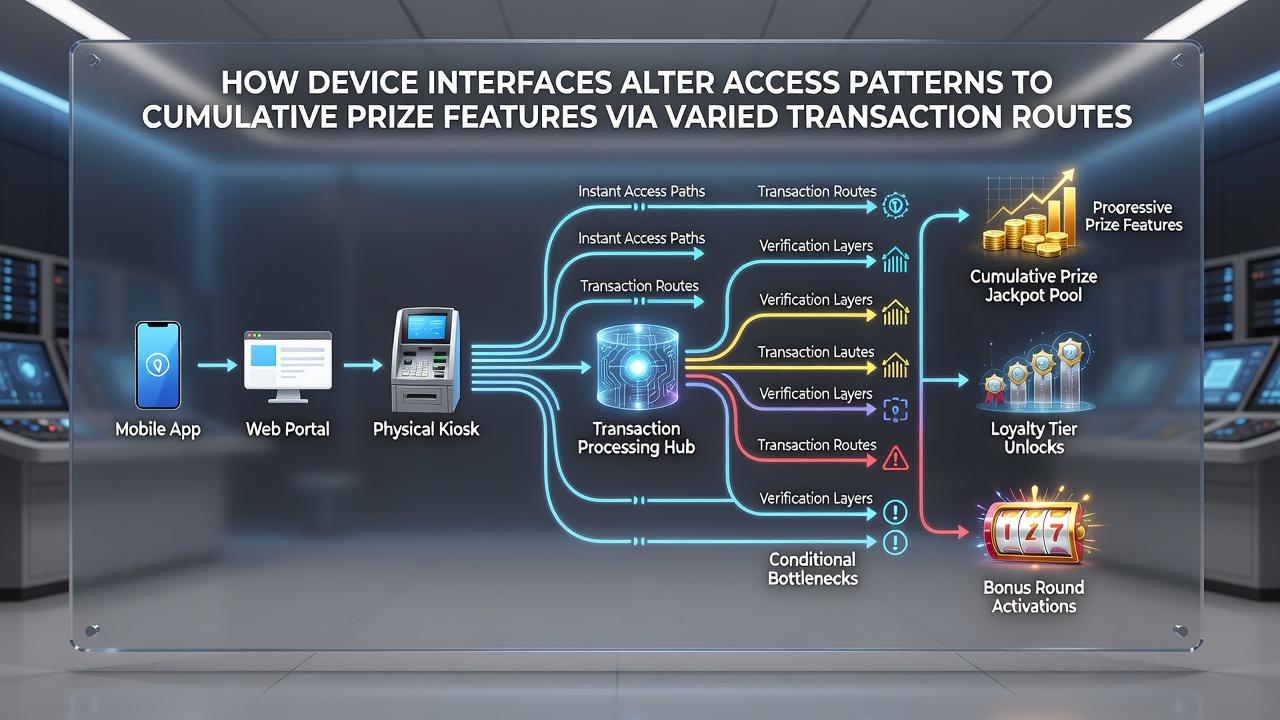
Varied payment methods such as digital wallets, bank transfers, and instant card options create distinct entry sequences into cumulative prize systems, and interface design determines which route appears first on the screen. When e-wallet icons occupy the top row on a mobile layout, players tend to select those paths more frequently, according to transaction logs analyzed by research groups in North America and Australia. This selection pattern then routes users straight into prize feature dashboards without additional confirmation steps.
But here's the thing: gesture recognition on portable devices can bypass intermediate screens that desktop versions require, allowing a single fingerprint or face scan to confirm a deposit and simultaneously unlock access to layered prize meters. Figures from gaming trade associations reveal that such streamlined authentication increases the frequency of micro-transactions tied directly to progressive jackpot contributions, especially when the interface highlights contribution percentages immediately after the payment confirmation animation finishes.
Regional Data Patterns Emerge in July 2026
Regulatory filings submitted in July 2026 across multiple jurisdictions document shifts in access frequency tied to mobile interface updates, with Canadian provincial gaming authorities reporting increased use of in-app purchase flows that feed directly into cumulative prize pools. Meanwhile, analyses from the Australian Institute of Criminology highlight how location-based transaction verification on phones creates additional steps before prize features activate, whereas US state-level reports from the Nevada Gaming Control Board note fewer friction points when interfaces default to stored payment methods.
What's interesting is that these regional differences stem from hardware capabilities rather than regulatory mandates alone, since devices supporting advanced biometric sensors enable faster transaction-to-prize transitions. Experts tracking these patterns across continents observe that portable platforms update their interfaces quarterly, and each iteration changes which payment route receives visual prominence on the home reel screen.
Payment Channel Prominence Alters Prize Exposure
Interfaces that place cryptocurrency options alongside traditional card payments create parallel routes into the same cumulative prize systems, and players who choose one channel over another encounter different confirmation sequences that affect how quickly meters update. Research papers published by university consortia in Asia and Europe demonstrate that crypto routes often skip certain verification layers on mobile apps, resulting in quicker visibility of contribution percentages within progressive features.
Take one case where platform developers repositioned a digital wallet button from the secondary menu to the primary transaction bar, and subsequent data logs showed a measurable uptick in small deposits that immediately incremented shared prize totals. Such repositioning relies on touch target sizing and color contrast choices that guide finger placement without requiring extra taps, and industry organizations continue to monitor how these design decisions scale across device models released throughout 2026.
Conclusion
Portable reel platforms continue to refine interface elements that connect transaction routes to cumulative prize access, with ongoing data collection by regulatory bodies and research institutions revealing consistent patterns across device types and payment preferences. As hardware and software evolve, the relationship between screen layout, gesture support, and deposit sequencing determines the pathways players follow toward prize accumulation features. Observers expect further documentation of these dynamics as new device generations enter the market and transaction methods diversify.