
Following Payment Trails to Multi-Tiered Rewards in Mobile Progressive Slots
Portable progressive games operate through interconnected jackpot pools that accumulate across networks of mobile devices, and payment routes determine how players gain entry to these expanding prize structures. Transaction pathways begin at deposit interfaces where users select methods that feed directly into centralised systems tracking contributions toward minor, major and grand tiers. Observers note that each successful deposit registers in real time, allocating portions of funds to specific prize layers according to predefined algorithms maintained by game operators.
Payment Integration in Handheld Progressive Environments
Mobile platforms route deposits through secure gateways that verify funds before allocating shares to progressive meters, while layered prize systems assign percentages of each transaction to different jackpot levels simultaneously. Researchers at institutions such as the University of Nevada Reno have documented how these allocations maintain pool integrity across thousands of concurrent sessions, ensuring contributions from one region support prize growth visible to players elsewhere. Data from industry reports indicates that payment speed influences eligibility windows, since slower processing can delay meter updates and affect visibility of current prize values.
Those who examine transaction logs find that certain digital wallets integrate more seamlessly with progressive servers than traditional card methods, because API connections allow instantaneous confirmation and contribution recording. Singapore's Gambling Regulatory Authority has published guidelines requiring operators to maintain transparent logs of these routes, highlighting the need for audit trails that trace every deposit to its corresponding prize layer impact.
Layered Prize Mechanics and Deposit Sequencing
Progressive structures typically feature three or four prize tiers where smaller awards trigger more frequently while larger ones require sustained contributions over extended periods. Payment sequencing plays a direct role here, as players who route funds through verified channels unlock access to higher tiers once cumulative deposits meet operator thresholds. Experts tracking these patterns report that mobile sessions often involve micro-deposits spaced throughout gameplay, each one registering incremental additions to the relevant meters without interrupting play flow.
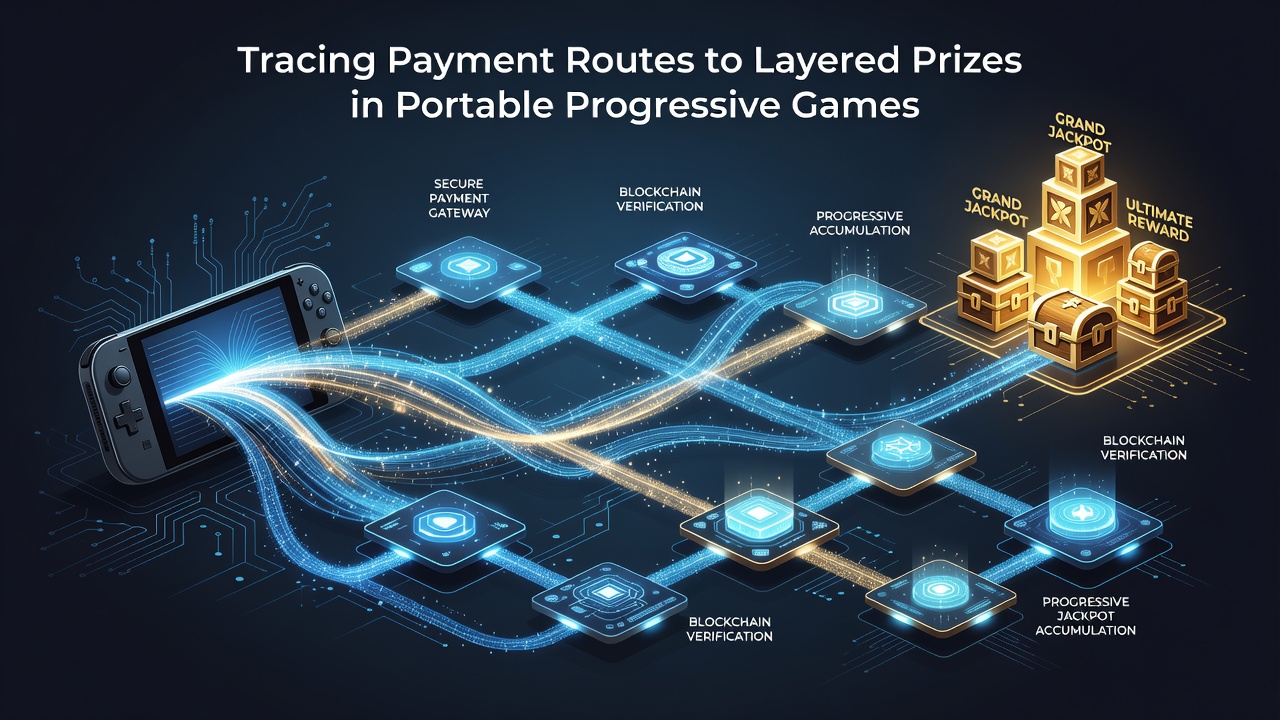
One documented case involved a European operator whose system mapped every incoming transaction to a weighted distribution across prize layers, allowing analysts to follow how specific payment types correlated with hit frequencies on particular tiers. According to findings released in July 2026 by the European Gaming and Betting Association, such mapping revealed that e-wallet routes produced faster meter growth on major and grand levels compared with slower bank transfer options, because of reduced processing latency in the contribution pipeline.
Regulatory Oversight Across Regions
Authorities in multiple jurisdictions require operators to demonstrate clear linkages between deposit sources and jackpot distributions, preventing any ambiguity in how funds reach prize pools. The New Jersey Division of Gaming Enforcement maintains standards that mandate real-time reporting of contribution percentages, while similar frameworks in Australian states focus on ensuring mobile users receive accurate displays of how their payments influence layered rewards. These rules create standardised pathways that software providers must embed within portable game engines from the development stage onward.
Transaction monitoring tools now incorporate geographic tagging so regulators can verify that contributions from one market properly support prize visibility for players in another. Data released through academic channels shows these cross-border flows have grown steadily as mobile adoption increased, with portable devices accounting for the majority of progressive jackpot activity in monitored networks.
Technical Routing and Real-Time Allocation
Backend servers process deposits by first confirming authorisation, then splitting the amount according to fixed ratios assigned to each prize layer before updating the central meters. Mobile applications display these updates through animated counters that reflect the layered structure, giving players immediate feedback on how recent payments have affected available rewards. Systems designed for handheld use prioritise low-latency connections, since any delay in routing can create discrepancies between displayed values and actual pool totals.
Industry reports compiled by research groups emphasise the importance of redundant verification steps within these routes, because progressive integrity depends on every contribution reaching its assigned tier without loss or misallocation. Operators implement checksum protocols at multiple points along the payment chain to maintain accuracy across high-volume mobile traffic.
Conclusion
Payment routes in portable progressive games form the foundation for accessing layered prize structures, with each transaction following defined pathways from user device to centralised jackpot pools. Regulatory bodies and research institutions continue to document how deposit methods, processing speeds and allocation rules interact to shape prize availability on mobile platforms. These established mechanisms ensure that contributions translate directly into visible growth across minor, major and grand tiers while maintaining transparency required by oversight frameworks in various regions.