Haptic Feedback Loops: How Device Vibrations Connect Trial Spins with Payment Routes and Progressive Feature Access in Portable Reel Entertainment
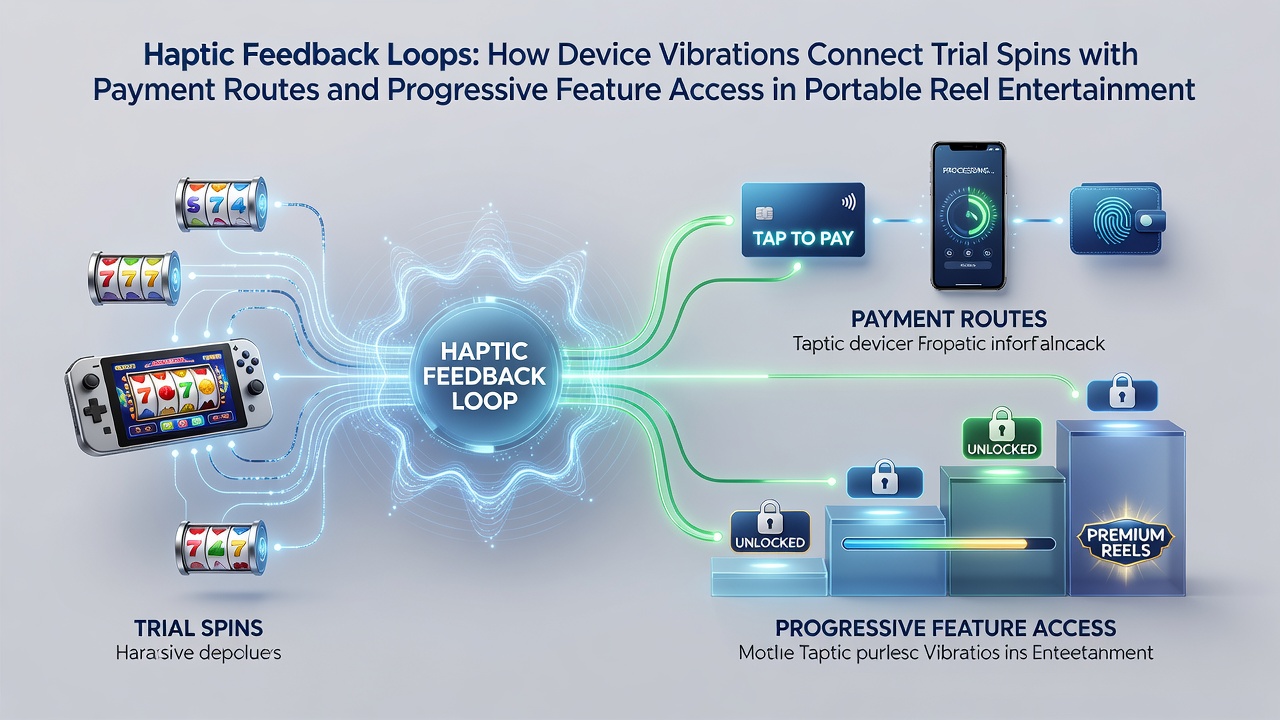
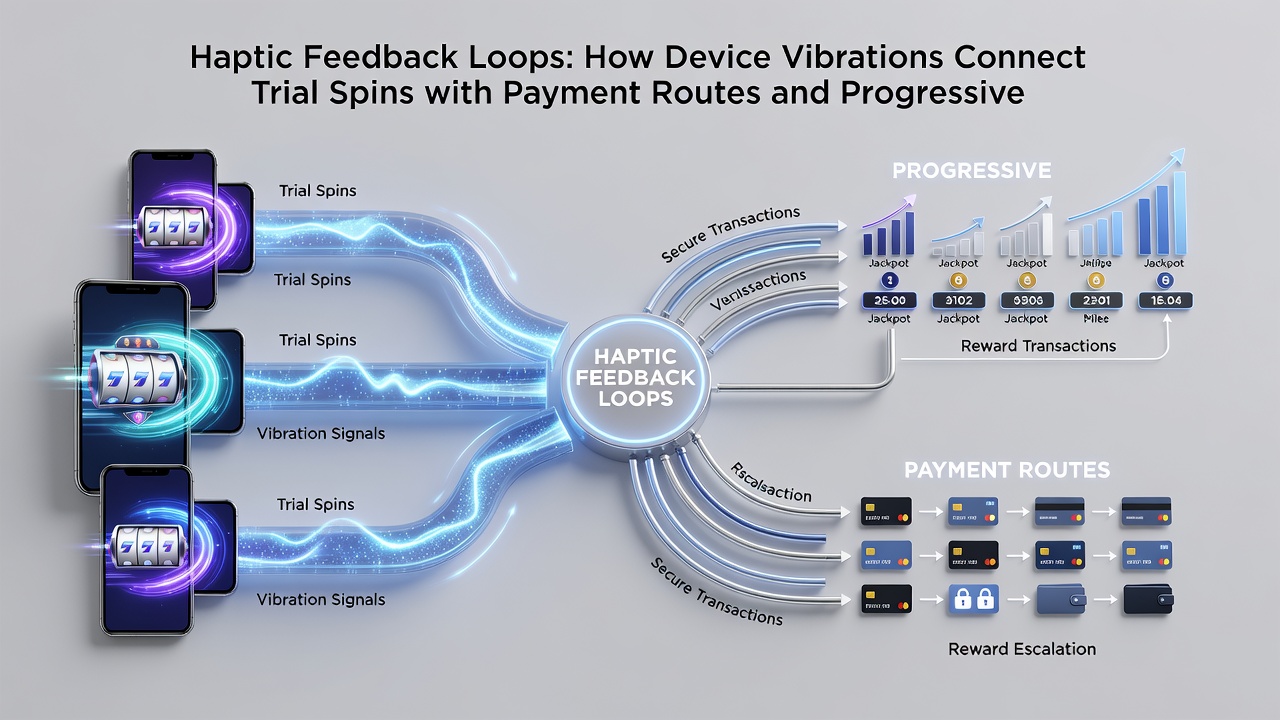
Portable reel entertainment relies on device vibrations to bridge free trial modes with paid engagement paths, and observers note that these tactile signals form closed loops that guide users through progressive unlocks. Research from mobile gaming platforms shows vibrations activate at key moments during demo spins, such as near-miss outcomes or bonus triggers, which then align with deposit prompts embedded in the same interface.
Mechanics of Haptic Integration in Slot Applications
Device sensors detect user interactions in real time while software algorithms map vibration patterns to game events, and data indicates these patterns differ between trial spins and paid sessions to signal transitions. Engineers design short pulses for standard reel stops whereas longer sequences accompany feature activations, creating distinguishable feedback that users associate with progression routes. Studies conducted on touch-enabled platforms reveal that such distinctions help maintain continuity when players move from free access to transaction-based play.
Linking Trial Spins to Payment Pathways
Vibration cues during demo reels often precede on-screen prompts for funding options, and platform analytics show these cues correlate with increased navigation toward deposit screens. Payment routes appear as integrated elements once a vibration sequence completes a bonus simulation, directing attention to methods like digital wallets or card processors without interrupting the session flow. Figures from application telemetry indicate that synchronized haptics and interface elements reduce the steps between practice modes and funded accounts across multiple device types.
Progressive Feature Access Through Tactile Signals
Progressive elements such as multiplier ladders or level-based jackpots respond to accumulated spins with escalating vibration intensity, and researchers have documented how these escalations mirror access thresholds in both trial and paid environments. When a sequence reaches a defined count the device delivers a distinct pattern that coincides with feature availability indicators, allowing seamless continuation whether the session remains free or incorporates real stakes. This mechanism operates consistently across operating systems, according to cross-platform compatibility reports released in 2025.
Regulatory and Technical Standards Supporting These Systems
Industry standards from the Gaming Standards Association outline requirements for haptic output in regulated applications, ensuring patterns remain distinct from notification systems on the host device. Technical specifications require that vibration events tied to financial transactions include clear separation from promotional loops, and audits verify compliance through logged event sequences. Data collected by independent testing laboratories confirms adherence across major mobile slot providers operating in multiple jurisdictions.
Additional insights come from academic examinations published through the Computers in Human Behavior journal, which analyze user interaction logs to map how tactile feedback influences navigation between demo content and transaction flows. These examinations track timing intervals between vibration events and subsequent screen changes, providing quantitative measures of loop efficiency.
Implementation Examples Across Device Ecosystems
One documented case involves a popular reel title where trial spins produce baseline pulses that intensify precisely when the interface surfaces payment options, and similar configurations appear in titles released during the first half of 2026. Developers calibrate these intensities to device-specific motor capabilities, maintaining consistent user perception whether the hardware comes from major smartphone manufacturers or tablet lines. Observers tracking update logs note that firmware adjustments in July 2026 refined pulse durations on newer models to accommodate higher refresh rates without altering core loop structures.
Conclusion
Haptic feedback loops establish measurable connections between trial spins, payment routes, and progressive unlocks by delivering patterned vibrations that align with interface transitions. Platform data, regulatory standards, and academic analyses together illustrate the technical framework supporting these interactions in portable reel entertainment environments. Continued refinement of sensor integration and compliance protocols sustains the operational consistency observed across current deployments.