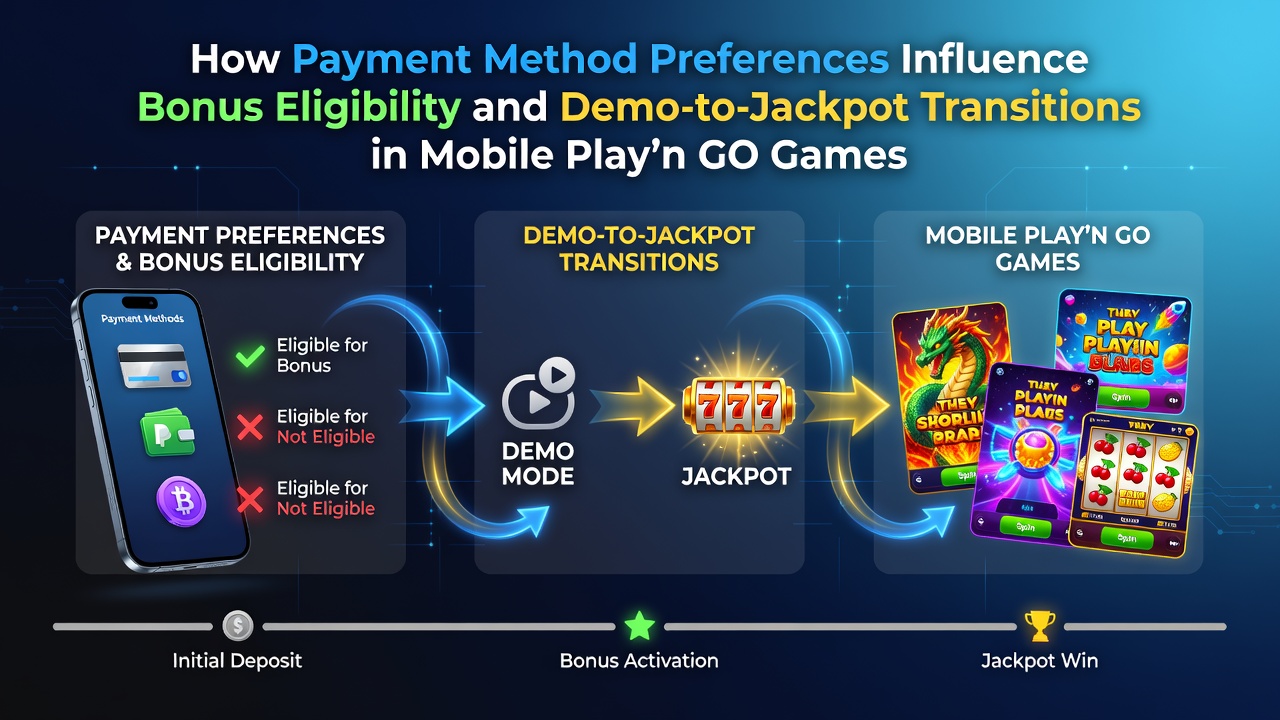
Observers note that payment method preferences often determine which players qualify for promotional offers when moving from demo modes to real-money play in Play'n GO titles on mobile devices, since operators apply distinct verification rules to different funding sources. Data from industry reports shows that e-wallets and prepaid options frequently unlock faster bonus activations compared to traditional bank transfers, while credit card deposits sometimes trigger additional compliance checks that delay eligibility windows. Those who've examined transaction patterns across platforms find that certain digital wallets align more closely with instant deposit bonuses, allowing seamless transitions where demo practice converts directly into funded sessions eligible for jackpot contributions. Research indicates that Play'n GO games track player funding sources internally, so users who prefer methods like Apple Pay or Google Pay encounter fewer restrictions when activating welcome packages that boost initial reel spins toward progressive prize pools.Funding Sources and Eligibility Criteria
Studies reveal that operators categorize payment methods by risk levels, which directly affects bonus eligibility in mobile environments. E-wallet transactions, for instance, often bypass lengthy processing periods and qualify users for deposit-match promotions that accelerate progress from free trials to paid jackpot hunts. Bank card users, by contrast, may face temporary holds that push bonus activation past the initial demo-to-real conversion window.
Figures from July 2026 highlight how regional preferences shape these dynamics, with mobile players in various markets selecting instant options to meet wagering thresholds tied to Play'n GO's high-volatility titles. What's notable is that prepaid vouchers frequently carry bonus restrictions in some jurisdictions, steering players toward methods that support both quick deposits and full promotional participation.
Demo Practice to Jackpot Pathways
Observers point out that the shift from demo reels to real stakes hinges on payment verification speed, since Play'n GO mobile titles require confirmed funding before jackpot meters begin accumulating real contributions. Players who select methods with built-in two-factor authentication often complete this transition in minutes, preserving momentum from practice sessions into bonus-eligible spins.
One case study from gaming analytics firms showed that users favoring certain e-wallets achieved higher rates of bonus unlocks because those services integrate directly with operator systems, reducing friction during account funding. Data indicates that slower methods like wire transfers can interrupt this flow, leaving demo-trained players without immediate access to promotional spins that feed into jackpot progressions.
Regional Variations in Payment Acceptance
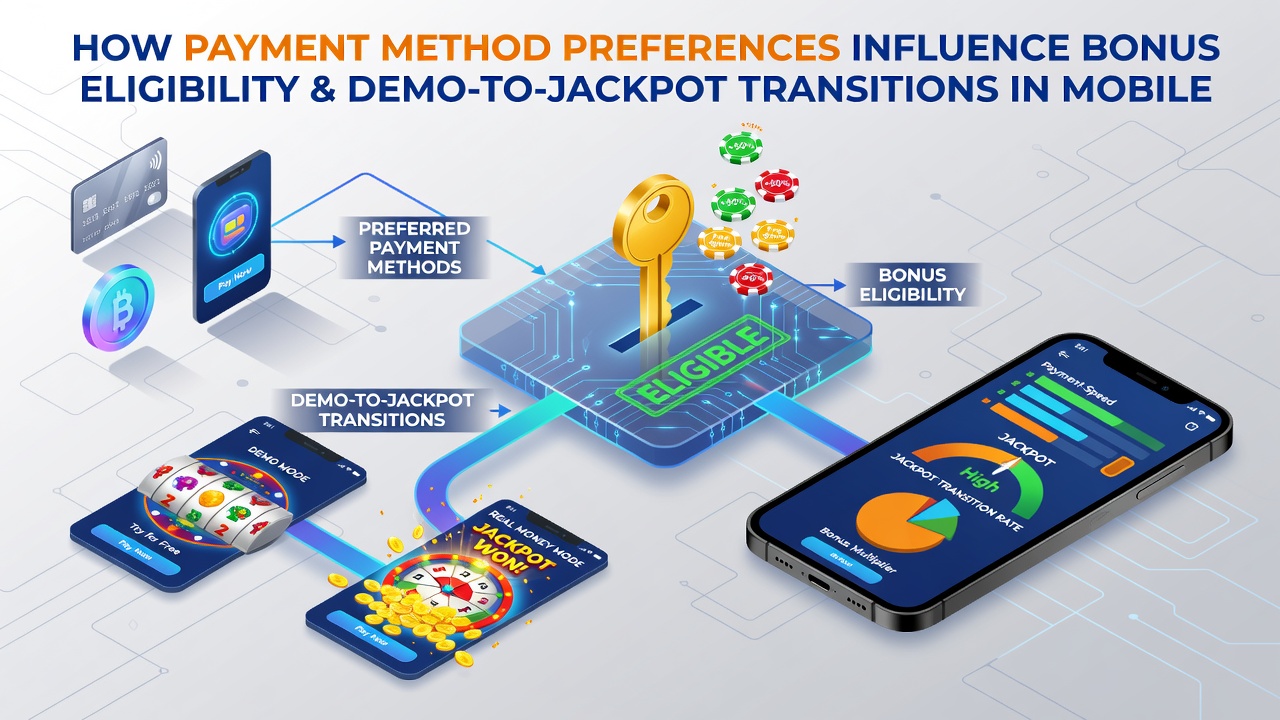
According to reports from the Nevada Gaming Control Board, payment preferences vary by market maturity, with mobile users in established regions gravitating toward options that satisfy both speed and compliance demands for bonus programs. This influences how quickly demo sessions convert into jackpot-eligible play across Play'n GO catalogs.
Additional findings from the Australian Institute of Criminology note that prepaid and cryptocurrency options sometimes receive different bonus treatment, prompting players to adjust funding strategies when targeting mobile jackpot features. Those patterns demonstrate that method selection can determine whether accumulated demo experience translates into promotional advantages or faces added verification layers.
Technical Integration Factors
Experts observe that Play'n GO's mobile framework interacts with payment gateways to flag eligible deposits for bonus accrual, creating pathways where preferred methods enable uninterrupted movement from free play to real-money jackpot pursuits. Integration differences mean that certain services support instant confirmation, while others require extra steps that separate demo training from funded eligibility periods.
Research from university-led gaming studies indicates these technical distinctions affect player retention during transitions, as smoother payment flows maintain engagement levels built during demo practice. Observers note that operators update these rules periodically to align with evolving mobile standards, further tying method choice to bonus and jackpot access.
Conclusion
Payment method preferences continue to shape bonus eligibility and demo-to-jackpot transitions in mobile Play'n GO games through verification speed, risk categorization, and integration compatibility. Data shows that players who align their funding choices with operator criteria often experience more direct pathways from practice to promotional jackpot opportunities. As mobile platforms evolve, these connections between transaction preferences and game progression remain central to how users navigate Play'n GO experiences across devices.