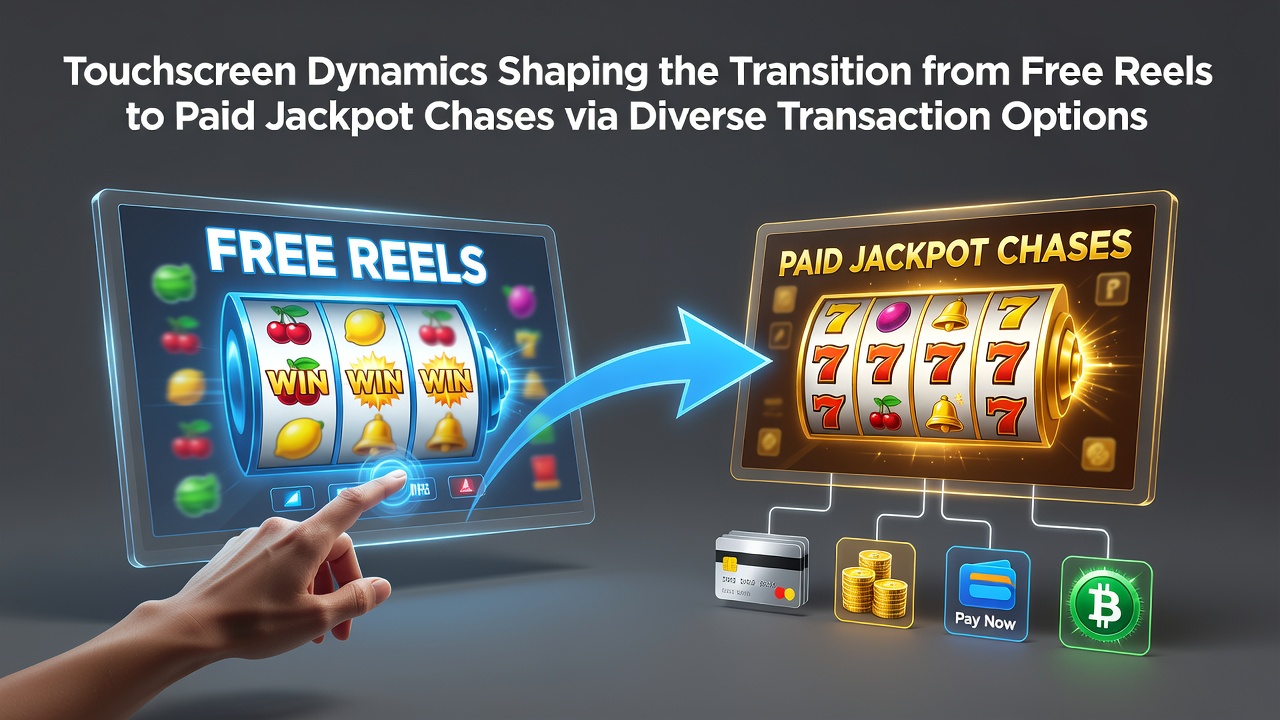
Interface Innovations: How Touch Gestures Influence Progression from Trial Spins to Jackpot Stakes
Touchscreen technology continues to reshape how players move between free slot demonstrations and paid jackpot pursuits, with gesture-based controls playing a central role in this shift. Research from the University of Nevada Reno's gaming studies program indicates that intuitive swipe and tap mechanics reduce friction during the move from practice sessions to real-money engagement, while diverse payment integrations further streamline the process. Data collected through 2025 shows increased session continuity when interfaces support seamless handoffs between modes.
Gesture Controls and User Flow Patterns
Modern slot platforms incorporate multi-touch responses that allow users to adjust bet sizes, spin reels, and access bonus features with minimal disruption. Observers note that pinch-to-zoom functions for paytable reviews and drag gestures for reel acceleration create fluid interactions that keep players immersed. According to figures from the Nevada Gaming Control Board, platforms emphasizing these controls report higher conversion rates from demo accounts to funded sessions, particularly when transaction menus appear as contextual overlays rather than separate pages.
Those who have analyzed player behavior across devices find that haptic feedback during winning combinations strengthens the connection between free trials and subsequent deposits. This sensory layer, combined with one-tap access to e-wallet or card options, supports quicker decisions at key moments in gameplay. Reports released in August 2026 from the Australian Communications and Media Authority highlight similar patterns in regional markets where touchscreen optimization correlates with elevated participation in progressive jackpot pools.
Payment Diversity and Mode Transitions
Diverse transaction methods influence how players cross from no-cost reels into paid jackpot environments. Integration of instant bank transfers, cryptocurrency wallets, and prepaid vouchers appears within the same interface layer as the game itself. Studies from the Canadian Centre for Gaming Research reveal that when deposit prompts align with natural pause points in free play, such as after a near-miss sequence, the progression to real stakes occurs more readily.
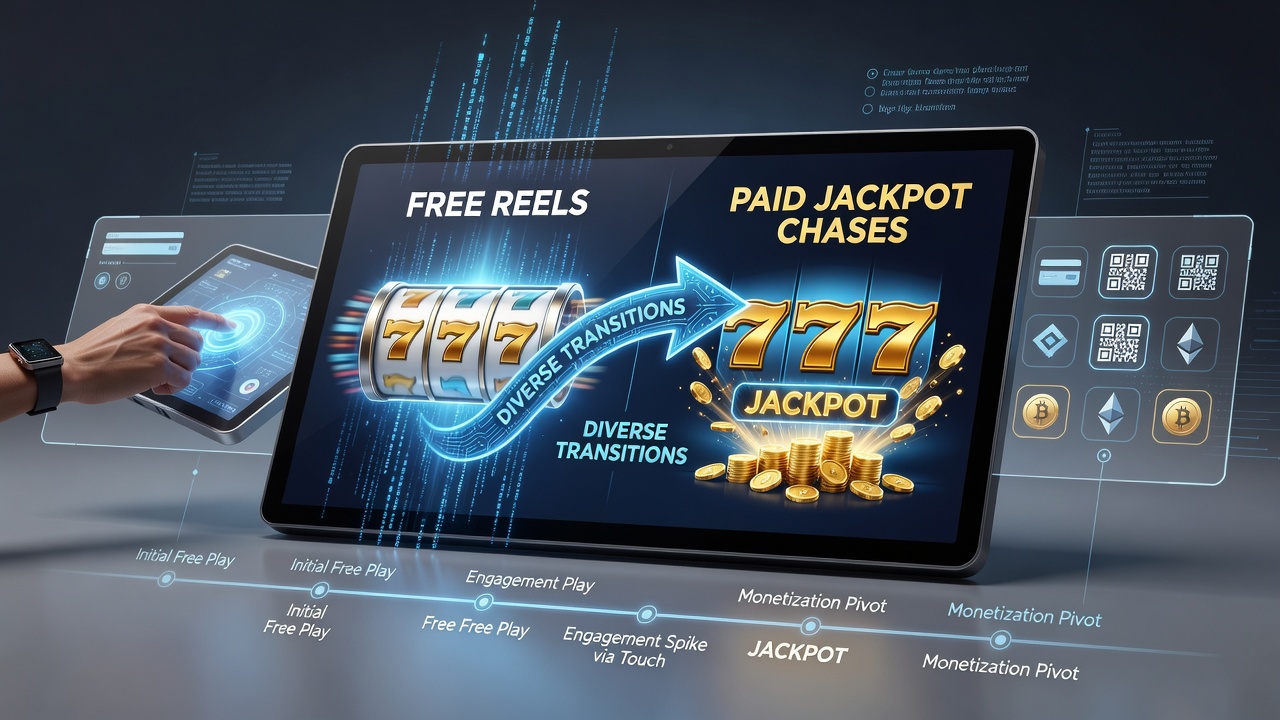
Platform analytics indicate that swipe-right gestures to open funding panels maintain momentum better than menu-based navigation. In markets tracked by European gaming associations, the availability of multiple localized payment rails alongside touchscreen prompts correlates with sustained play sequences that begin in demo mode and continue into jackpot rounds. The reality is that these design choices reduce cognitive load during the shift.
Interface Design Elements Across Devices
Developers implement adaptive layouts that respond to screen orientation and finger placement, ensuring consistent performance whether users hold devices in portrait or landscape. Evidence from industry reports shows that buttons sized for thumb reach and animated transitions between free and paid states support longer engagement windows. People who track user sessions across tablets and phones observe fewer drop-offs when transaction confirmations use the same visual language as in-game elements.
August 2026 data from the New Zealand Department of Internal Affairs points to measurable differences in jackpot participation when platforms prioritize touch-responsive payment gateways. These systems allow players to fund accounts without exiting the current view, preserving the flow established during trial spins. Observers note that such continuity encourages exploration of higher-volatility jackpot options once initial familiarity is gained through free reels.
Behavioral Indicators in Touch Environments
Heatmap studies conducted on mobile slot interfaces demonstrate concentrated interaction zones around reel areas and quick-deposit prompts. Researchers have documented how repeated tap patterns in demo modes often precede funding actions when the interface presents payment choices through familiar gesture triggers. This connection appears across various device types and player demographics according to aggregated findings from academic gaming labs.
Turn-based elements such as hold-to-spin mechanics and swipe-activated multipliers further embed the transition pathway within the core experience. Figures released by the Singapore Casino Regulatory Authority in mid-2026 show elevated movement toward paid features on platforms where these controls remain consistent between free and real-money versions.
Conclusion
Touchscreen dynamics continue to guide the movement from free reel sessions to paid jackpot pursuits through integrated gesture systems and varied transaction pathways. Data from multiple regulatory and research bodies illustrates how design choices around controls, feedback, and payment placement shape these progressions across global markets. Continued monitoring of interface performance provides ongoing insight into these evolving player patterns.