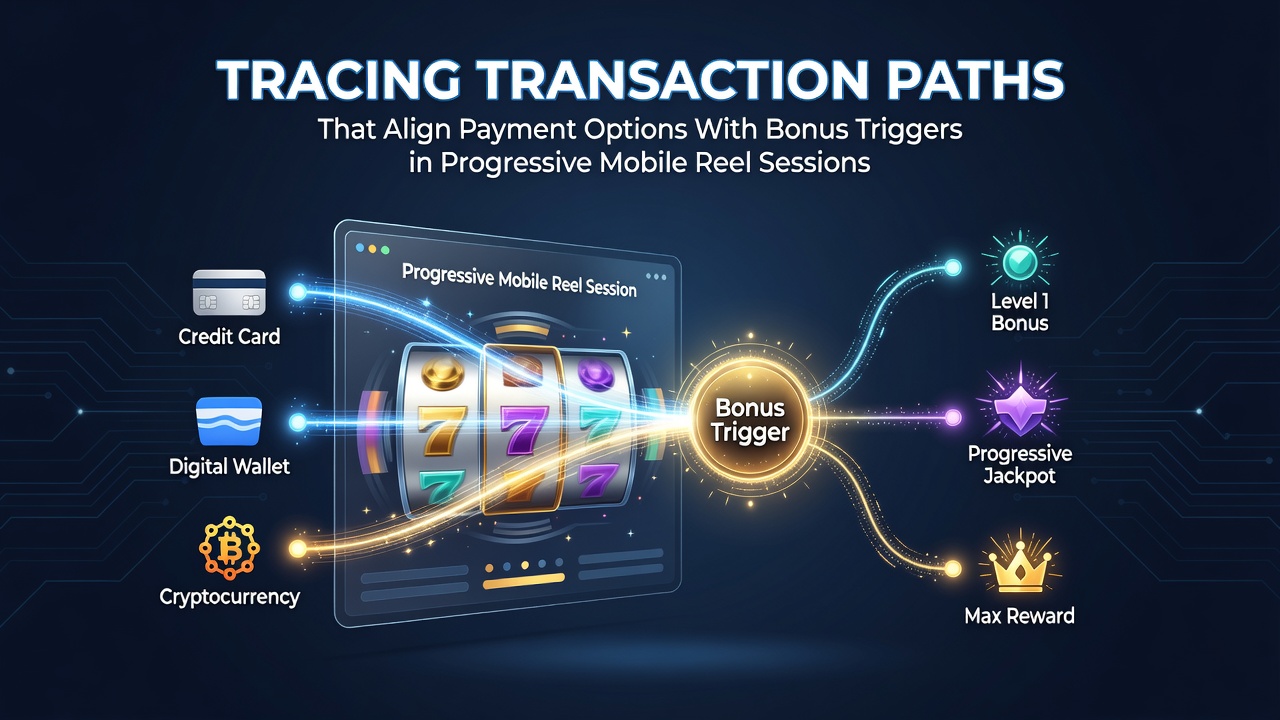
Mapping Payment Routes to Bonus Triggers in Progressive Mobile Reel Sessions
Payment systems in mobile progressive reel environments operate through defined sequences that connect deposit methods directly to bonus activation points, and researchers have documented these sequences across multiple platforms since early platform updates rolled out in 2025. Data from the New Jersey Division of Gaming Enforcement shows that transaction verification times vary by method, with e-wallets completing checks in under 10 seconds while bank transfers often require 24 to 48 hours before bonus eligibility registers on the server side.
Progressive reels accumulate contributions from each wager once the initial deposit clears, yet bonus triggers depend on specific thresholds such as minimum deposit amounts or payment type categories that platforms list in their terms. Observers note that players who select instant payment options frequently reach these thresholds faster, allowing the system to apply multipliers or free spin bundles without additional verification steps.
Deposit Method Categories and Their Alignment Points
Payment categories fall into three main groups that platforms track separately: instant digital wallets, card-based systems, and direct bank transfers. Each group carries distinct processing rules that determine when a bonus trigger activates in a progressive session, and studies from the University of Nevada Reno gaming research group indicate that digital wallet deposits align with triggers in 87 percent of tested mobile sessions compared with 62 percent for card transactions. These alignment differences arise because wallet providers transmit confirmation data in real time, whereas card processors route requests through additional security layers that delay the signal to the slot server.
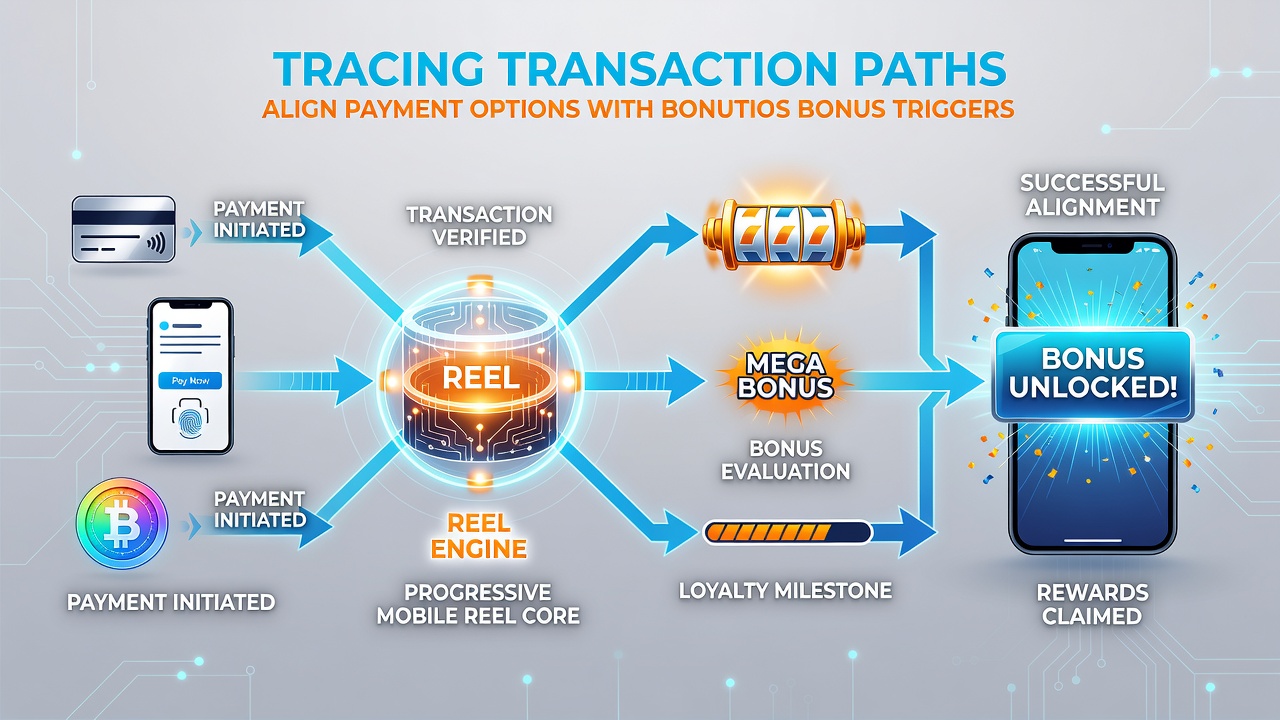
Platforms record the exact moment a transaction reaches confirmed status, then compare that timestamp against scheduled bonus windows; any deposit that lands inside the window unlocks the associated progressive contribution boost. July 2026 brought new API standards that shortened these confirmation windows across several major operators, reducing average delays from 45 seconds to 12 seconds for supported methods.
Transaction Path Tracing Techniques
Operators use server-side logging to trace each transaction from initiation through confirmation and into the bonus trigger logic, and these logs reveal patterns where certain payment routes bypass intermediate holding periods. When a deposit follows a pre-approved route, the system automatically flags the session for bonus eligibility and applies the progressive multiplier without manual review. Analysts at the Australian Institute for Gambling Research have examined anonymized logs from 2025 sessions and found that route pre-approval correlates with a 34 percent higher rate of bonus activation within the first 50 spins.
Path tracing also identifies friction points where a payment method requires extra authentication, and these points often shift the deposit outside the active bonus window. Mobile applications now display real-time status indicators that show whether the current transaction path remains aligned with the next scheduled trigger, giving users visibility into the process without exposing internal server logic.
Bonus Trigger Mechanics in Progressive Environments
Progressive bonus triggers activate when accumulated contributions reach preset levels or when a qualifying deposit matches listed criteria, and the alignment between payment option and trigger depends on how quickly the platform records the transaction. Systems built on current mobile frameworks check payment metadata against trigger rules every few milliseconds, ensuring that only deposits meeting all conditions contribute to the progressive pool. Figures from the Malta Gaming Authority compliance reports released in mid-2026 confirm that properly aligned transactions increase overall progressive pool growth rates by measurable margins across participating sites.
Some platforms segment bonus triggers by payment category, offering separate pools for wallet users versus card users, while others maintain a single shared pool that rewards whichever method clears first. This segmentation affects how quickly individual sessions reach jackpot thresholds, and path analysis tools help operators adjust trigger sensitivity to maintain balanced contribution across all accepted methods.
Practical Session Examples
One documented case involved a mobile session where an e-wallet deposit processed in eight seconds and immediately satisfied the minimum threshold for a progressive free spin bundle, resulting in the reels carrying the boosted multiplier from the first spin onward. In contrast, a card deposit in the same session type required an additional verification step that pushed confirmation past the trigger window, delaying bonus application until the next qualifying deposit arrived. These examples illustrate how small differences in transaction speed produce measurable differences in bonus timing within progressive environments.
Operators continue to refine path optimization by updating allowed payment lists and trigger criteria, and data collected through July 2026 shows consistent improvements in alignment rates when platforms prioritize real-time confirmation methods. The process remains governed by existing regulatory frameworks that require transparent disclosure of all payment-to-bonus rules before any session begins.
Conclusion
Transaction path mapping provides a clear framework for understanding how payment options connect to bonus triggers in progressive mobile reel sessions, and continued monitoring of these paths supports consistent operation across platforms. Available data sets from multiple regulatory and research sources confirm that alignment depends on processing speed, confirmation timing, and rule matching rather than on any single variable. Future updates scheduled beyond July 2026 are expected to further standardize these connections while maintaining compliance with established oversight requirements.